Table of contents
Volatility in Gates of Hades
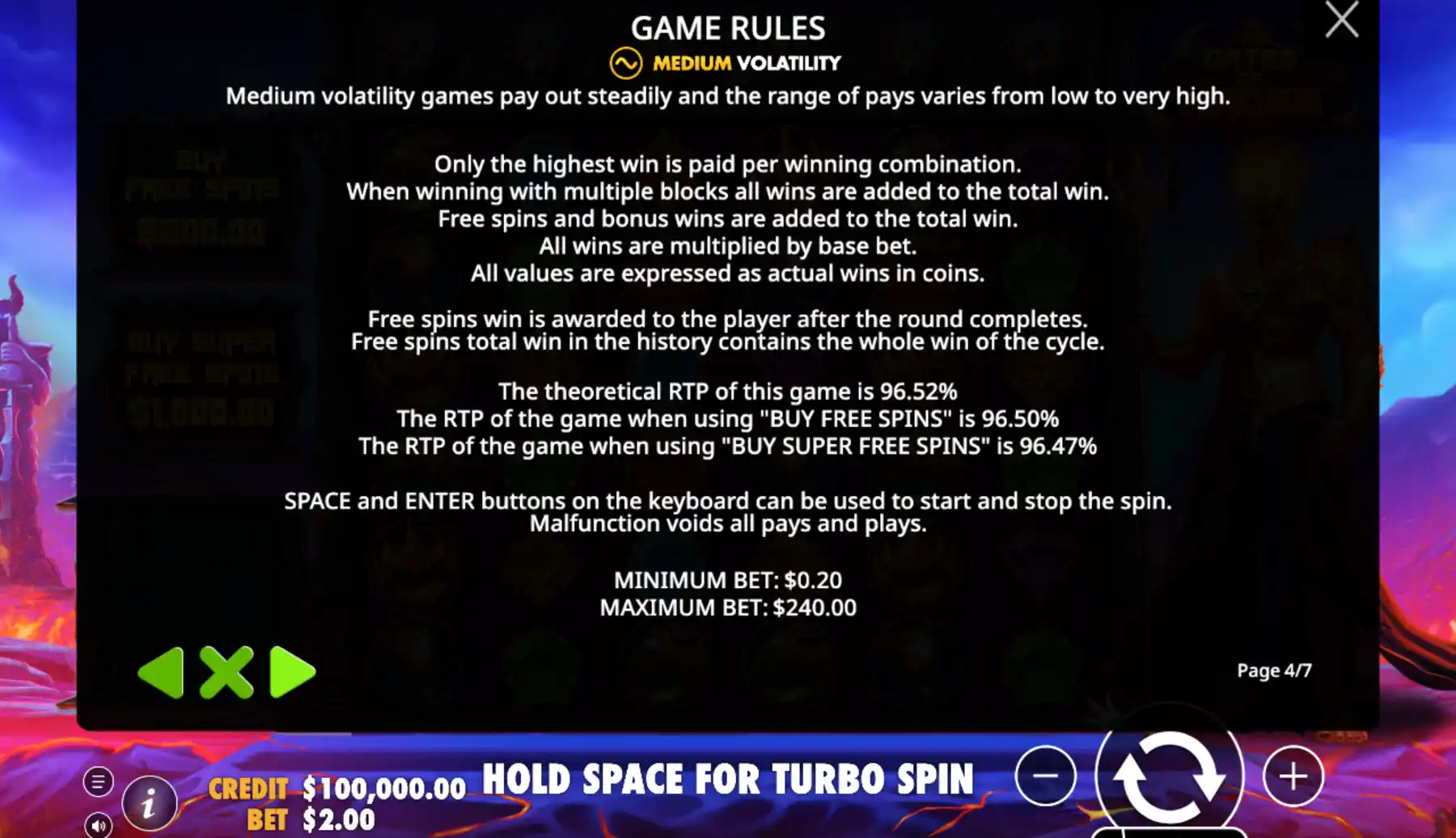
Volatility is the shape of a slot's payout spread: low variance pays small and often, high variance pays rarely and large. Gates of Hades carries a MEDIUM VOLATILITY badge on its own rules screen, though most catalogues list the title as high.
- Game:
- Gates of Hades (a Pragmatic Play 6x6 cluster-pays video slot)
- Type:
- Slot game
- RTP as published:
- 96.52% theoretical, stated verbatim on the game's own rules screen
- Max win:
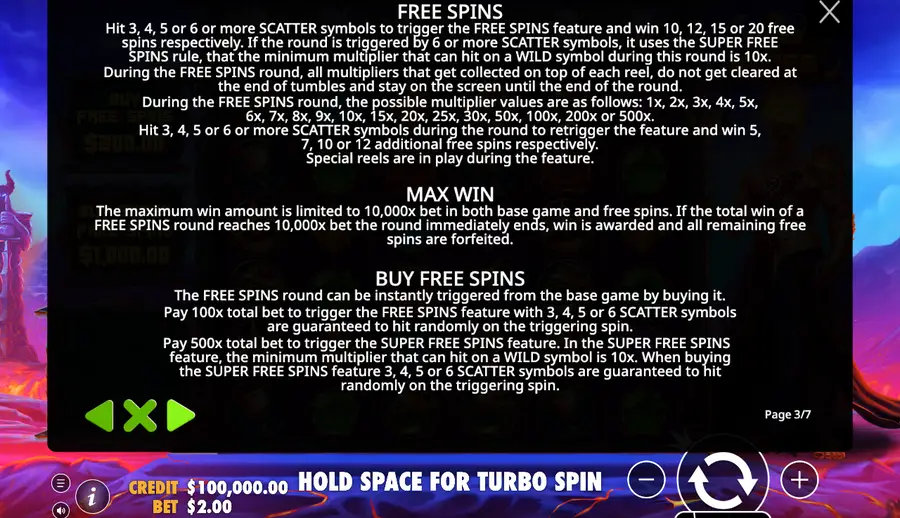
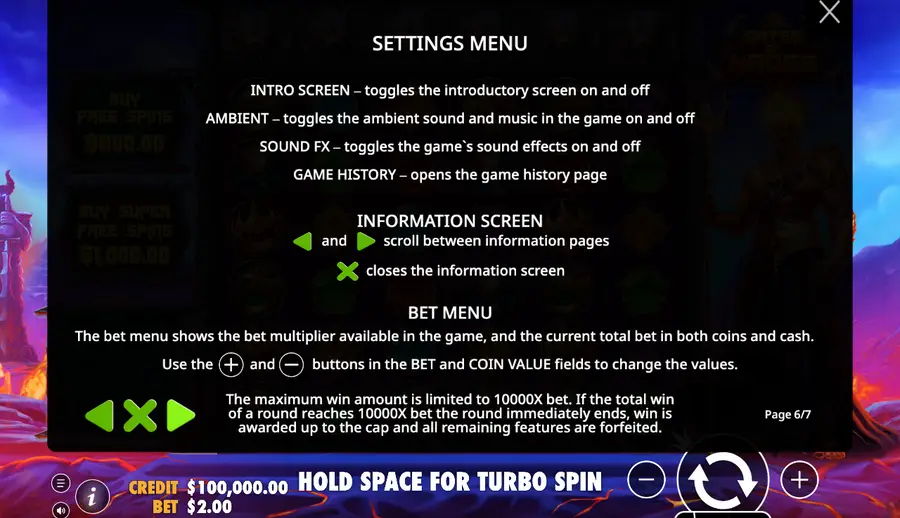
- 10,000x the bet, a hard cap that applies in both the base game and the free spins round.
What the Gates of Hades Badge Says
The badge says MEDIUM VOLATILITY. The client is blunt about it: a small round badge sits beside those words on the opening screen, and the same badge heads page 4 of the rules.
| Feature | Detail |
|---|---|
| The line under it reads: | "Medium volatility games pay out steadily and the range of pays varies from low to very high." |
| Badge inside the client: | Medium |
| Catalogue consensus: | High |
| Published hit frequency: | 29.01% |
| Published bonus frequency: | 1 in 270.64 |
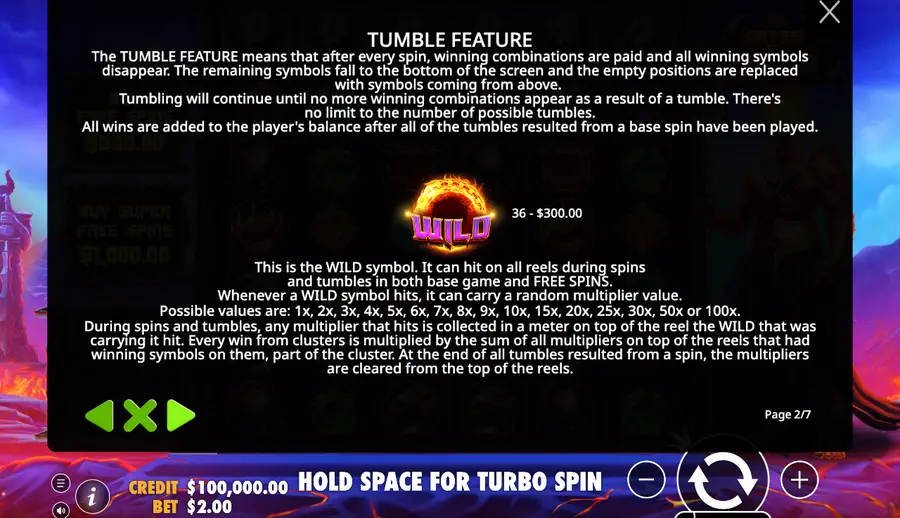
| Highest value one base-game wild can carry: | 100x |
| Highest value one free-spins wild can carry: | 500x |
Pragmatic Play puts no number on the volatility of this title. The badge is the whole of what the studio says in public.
Why the Catalogues Disagree
Our best guess is that reviewers judge the bonus, not the base game. We offer that as a guess, because nobody has confirmed it.
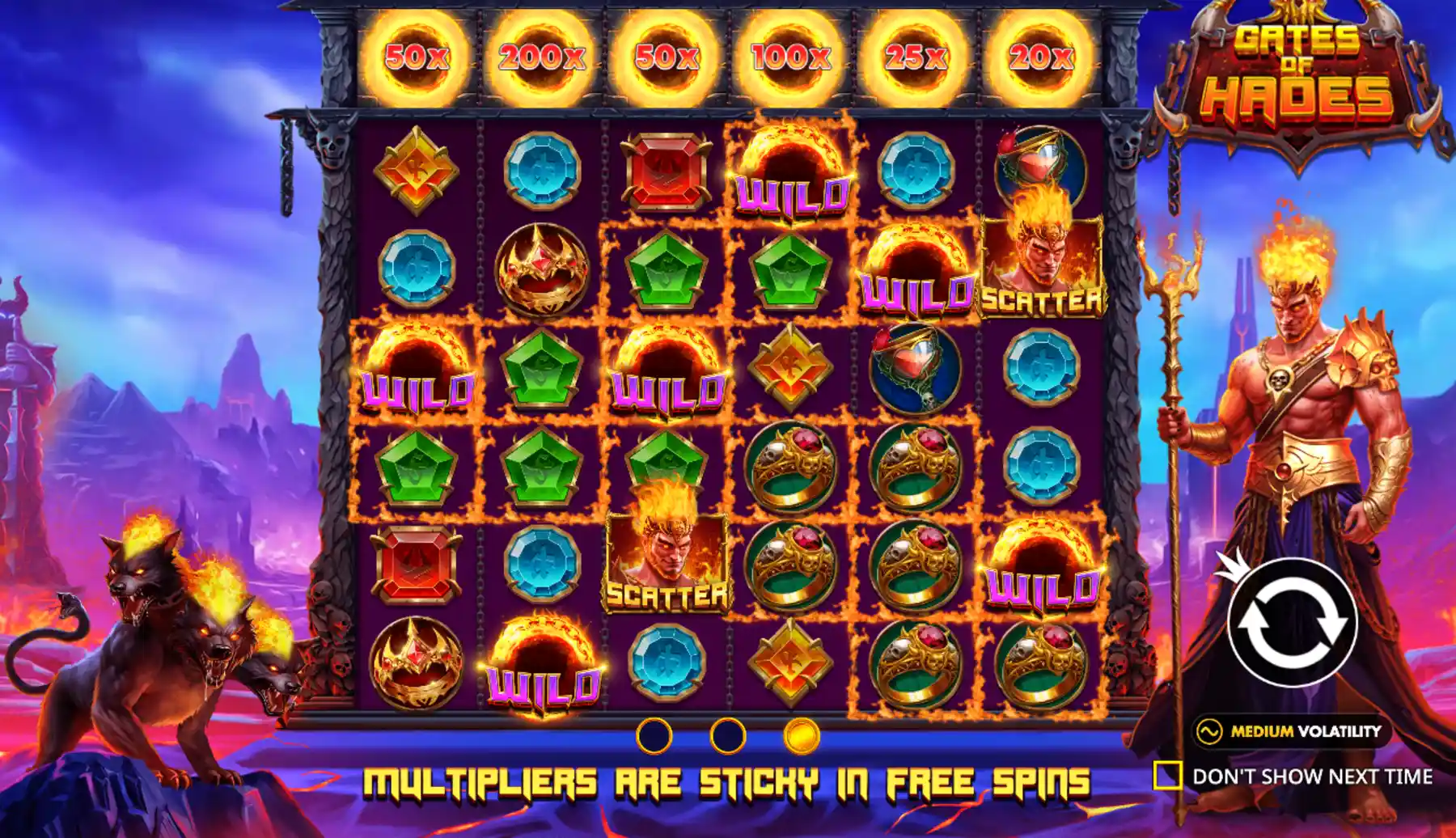
Look at what the bonus does. Multipliers stick for a whole round. Values run to 500x. The feature turns up about once in 271 spins. Put those together and you get a long drought and then a spike.
Buy the bonus and that spike is all you see. The half you skip is the half the badge describes. Every catalogue we opened rated the game high or very high, and not one of them mentioned the badge.
Judging a slot by its bought feature is a fair editorial call. It just deserves saying out loud, instead of passing as the studio's own rating.
Published Frequencies
The published frequencies are a 29.01% hit rate and one bonus every 270.64 spins, and both come from outside the studio. That works out to a paying spin roughly every three and a half tries, with a natural trigger somewhere around every ninth session of thirty spins.
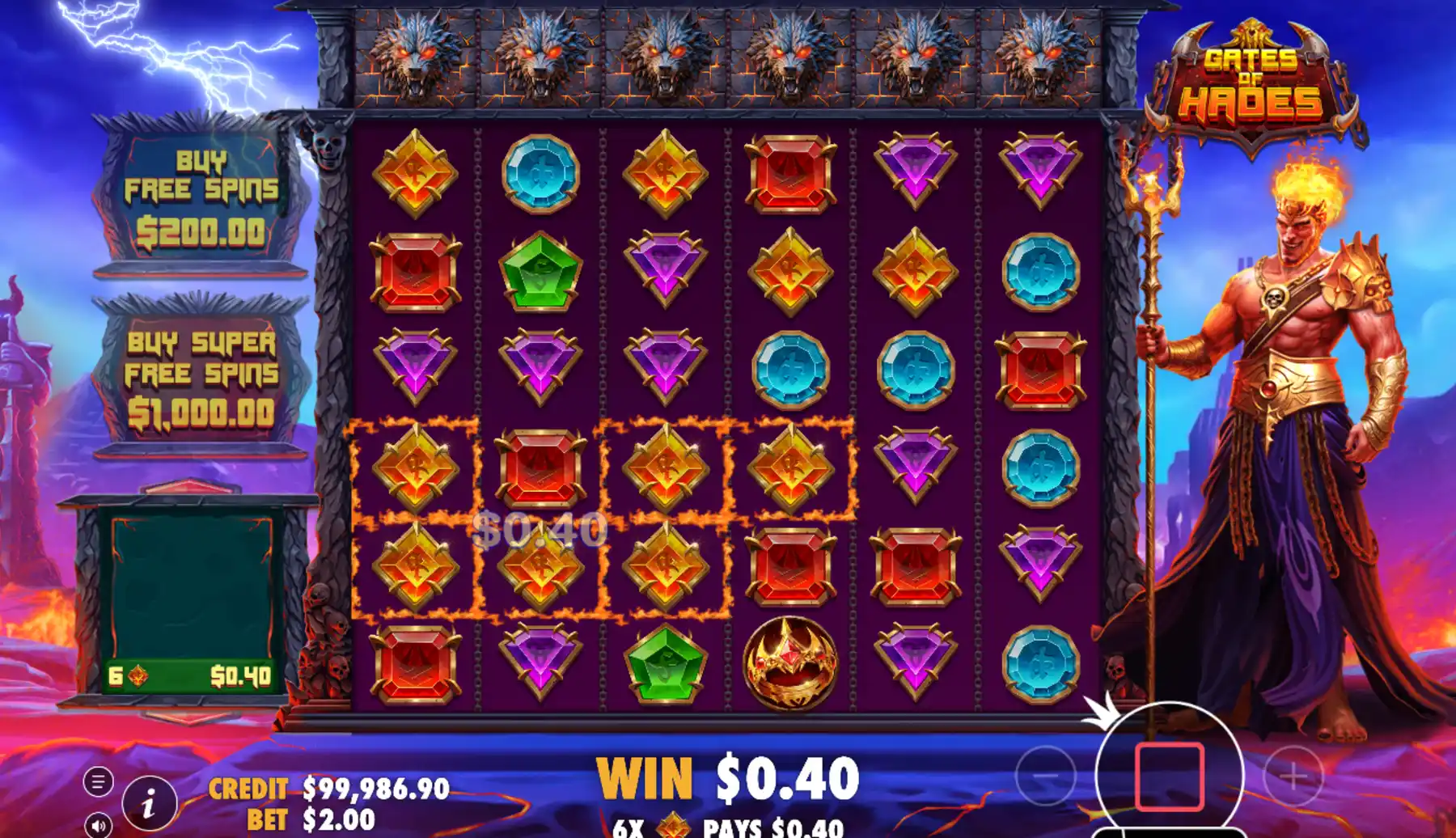
Neither appears on any Pragmatic Play page we opened, nor in the information panel inside the client. Treat them as well-sourced third-party arithmetic, not as published spec.
| Figure | Source | What it implies at a $2.00 stake |
|---|---|---|
| Hit frequency 29.01% | Third-party game data | About 87 paying spins in 300, most of them small |
| Natural trigger rate | Third-party game data | Roughly $541.00 wagered per feature, on average |
| Our logged hit rate 22.2% | Our own session | 6 paying spins out of 27, far too few to settle anything |
Figures current as of ; the operator's live terms prevail.
A 29.01% hit rate runs high for a modern slot. Height counts for less than it sounds, though: most of those hits pay back less than the spin cost, so a balance can drain steadily while the counter keeps flashing.
What 27 Spins Looked Like
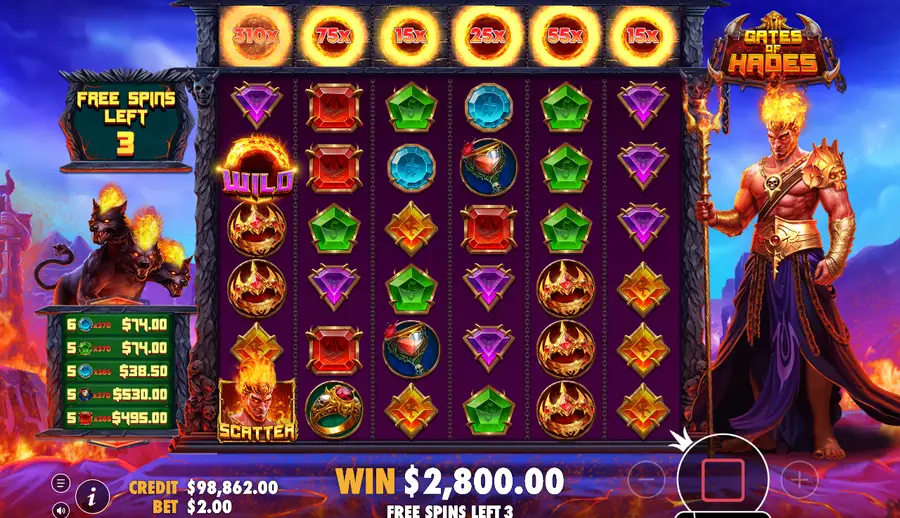
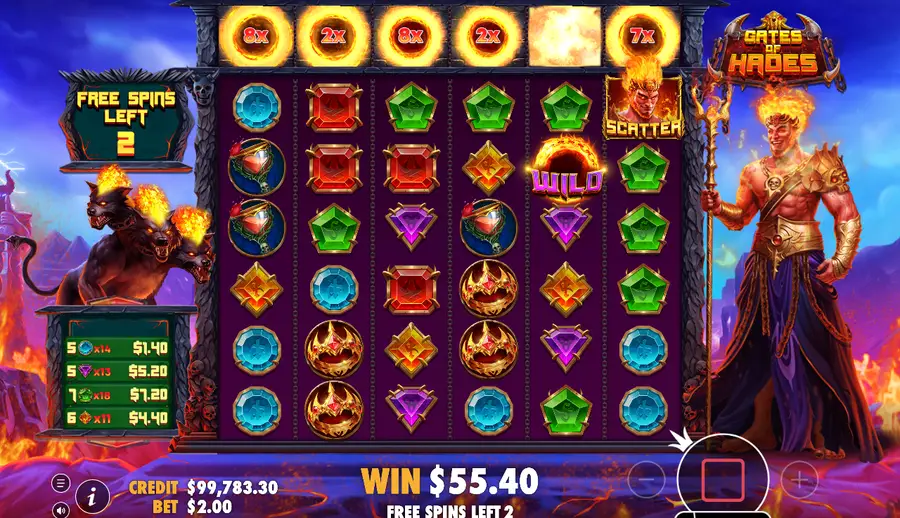
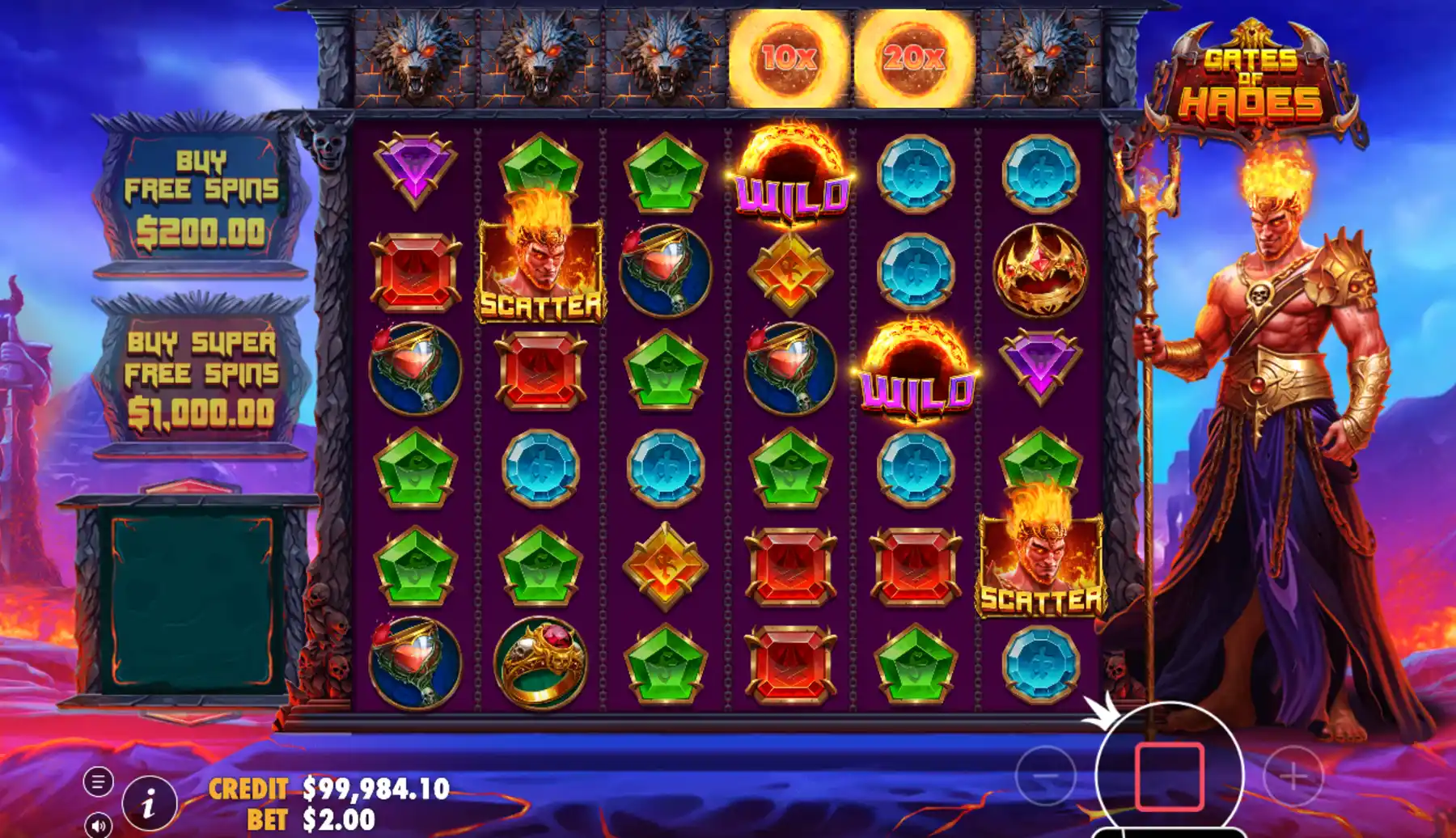
Twenty-seven spins looked like five payouts under $1.50, one worth $36.00, and twenty-one that paid nothing. We logged them at a $2.00 stake on . Close to the published rate, and a long way from proof.
| Measure | Our logged session | Published figure |
|---|---|---|
| Base spins logged | 27 | not applicable |
| Paying spins | 6 | not applicable |
| Hit rate | 22.2% | 29.01% |
| Best single base round | 18x the stake | not published |
| Largest single wild value seen | 20x | up to 100x in base play |
Six hits from twenty-seven is 22.2%, under the published rate. A sample this small would swing by more than that on its own, so read it as a texture rather than a measurement.
Five of the six paid under $1.50. The sixth paid $36.00, on a spin where meters of 10x and 20x happened to stand above two reels the winning cluster reached. That one round returned more than nine tenths of everything the base game gave back all evening. It was also the only base round that felt like anything.
Where the Volatility Label Misleads
The label misleads the moment you buy a bonus. Medium is fair for the base game, though buying takes the base game out of the experience altogether. What is left is a high-variance round with a 500x ceiling on its multipliers.
The badge also says nothing about bankroll, which is the one job a volatility rating exists to do.
And the disagreement itself sits undocumented. As far as we can see, Pragmatic Play has never addressed it in public. So a reader picks between a badge whose method is unpublished and catalogue ratings whose method is unpublished too.
Our Reading of the Volatility Split
Our reading is that both labels are right about different halves of the same game. The medium badge describes base-game behaviour, while the buy buttons and the 500x multipliers push players toward the other half. We do not recommend sizing a session off the medium badge, and we trust neither label as a bankroll guide.
Spinning the base game only? The badge is roughly honest, and a hundred spins will show you the pattern. Buying features instead? Budget as you would for a high-variance slot, which means the 100x price of one buy on top of whatever you mean to lose. Still deciding? Start in the demo and count your own hit rate before any money is involved.