About the Editors, Their Sources and Their Funding
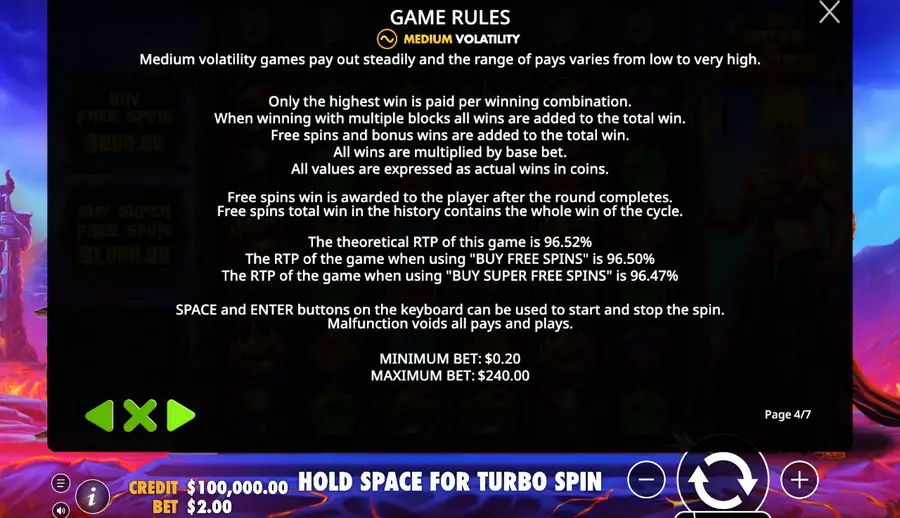
Gates of Hades is an independent editorial service about a single slot game, published since 2026. It is neither the game developer nor a casino. Across 17 pages in 4 sections it explains where the game is playable, what a headline return of 96.52% does and does not promise, and what the operator terms actually say. The UK Gambling Commission register is where the studio account gets checked.
Table of contents
What These Pages Publish, and Why
Reviews, guides, reference explainers and operator profiles for one game fill these pages, and nothing else does. Every page names its primary sources: the rules screen inside the game, the operator terms and help pages, and the licence registers of the regulators involved.
Some numbers never arrive. Figures that resist verification are printed as not confirmed instead of guessed at, because a reader about to deposit their money deserves a visible gap in front of them. Start with the Gates of Hades review, which is the clearest example of that rule working.
In Short, What a Reader Gets Here
Here's the short version: it's 17 pages about one game, and each figure is printed beside the document it came from. We've no casino accounts, no deposits and no rankings for sale.
If a figure isn't printed by the provider, an operator or a regulator, it doesn't go on a page. That's the entire editorial rule, and the sections below show how it holds up.
- Subject
- One slot game, Gates of Hades
- Pages
- 17 in 4 sections
- Publishing since
- Return quoted
- 96.52%, as the rules screen prints it
- Funding
- Affiliate links, disclosed on every operator page
- Author
- Daniel Hart, slot maths analyst
What Should You Check Before You Start?
Three checks are worth making before you start reading anywhere on this site, and they take about a minute. The provider figures are available in one place, and the current licence entries sit in another, so browse both in advance.
- Open the provider game page and note the published range of returns.
- Look up the licence code in the regulator register, according to the date shown.
- Read the operator terms for the casino you actually intend to use.
- Compare what the three documents say before you trust any summary.
According to the current provider material, only the first of those 3 changes rarely; the other two move whenever an operator updates its conditions. Explore the reference section for the detail behind each one, and note that all 17 pages carry the date of their most recent check.
Who Writes and Signs These Pages
Every page on Gates of Hades is written and signed by Daniel Hart, the slot maths analyst. Independent slot analyst who plays the title in its official demo, reads the in-game rules screen end to end, checks operator terms and licence registers, and records the numbers seen rather than the numbers advertised. The author profile sets out the method and lists all 17 published pages.
A byline and two dates on every page. Each content page carries them, published and updated. The identity behind the byline is provisional until a real person can be verified in public, and the profile says so plainly instead of dressing it up.
Where the Facts on These Pages Begin
Facts on these pages begin in 3 places, in a fixed order of source. First the game itself, tested in its official free demo with a recorded session. Then the provider and operator pages and terms. Last the regulator licence register, where a code is checked on the day a page is written.
The order matters because sources disagree more often than you would expect. A catalogue prints one return figure, the studio marketing page prints a description belonging to a different game, and the client itself prints a third thing.
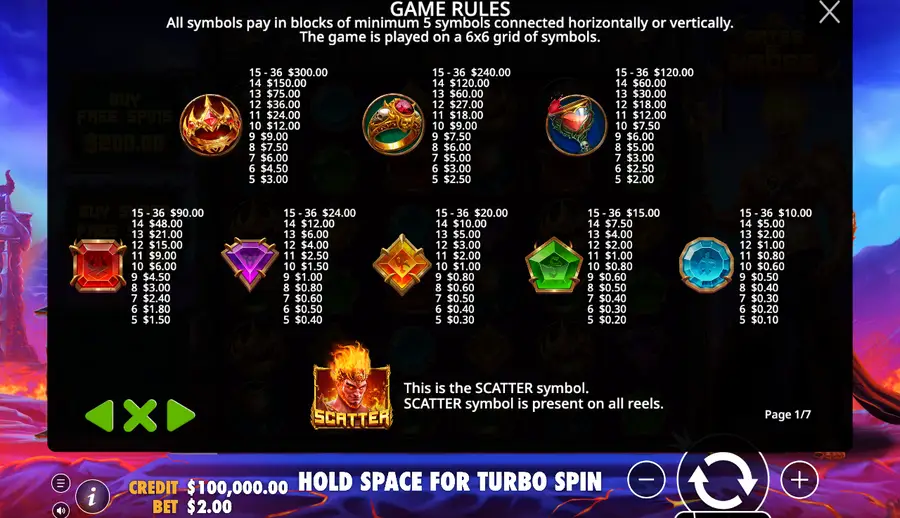
When that happens the page quotes the client and flags the rest. The studio own game page, for instance, describes symbols paying anywhere on the screen, which is not how this title works at all, so the disagreement is shown instead of averaged. Operator limits and bonus rules also change without notice, so every figure carries the date it was checked.
What Is Checked Before a Page Goes Live?
Regulation is verified by licence number instead of by logo. The UK Gambling Commission carries account 56015 for the studio, Malta lists critical-supply licence MGA/B2B/317/2016 under a differently named company, and the Curaçao register publishes a distinct code for each casino it licenses.
Our testing method page describes each step in order. Third-party catalogues are read for context only, while competitor review sites stay out of the citation list entirely.
Which Sources Count, and Which Do Not?
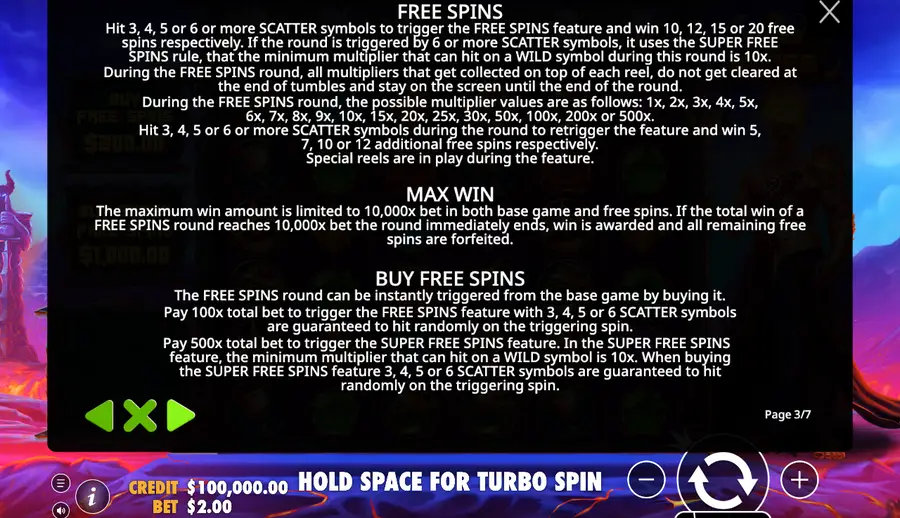
The studio provides the demo client, and the rules screen inside it carries every figure these pages quote. Its public game page is a different matter: the description block there belongs to another title in the same series, so no number is taken from it.
Regulators supply the other half of the record here. A supplier licence carries a number, and a register lets you confirm the holder in a minute, which matters here because the holder is not named the way the badge suggests. The Curaçao register publishes its own operator codes, and they change as casinos renew them.
The gaps belong to the record, not to the reporting. No volatility number is published, no laboratory certificate names this title, and the lower returns a casino may run come from catalogues alone, so you will find each of those problems printed wherever it matters to you.
3 Types of Source, Compared
The complete list of steps is short. Our methodology lives on a page of its own: a game verdict rests on 5 criteria, while an operator score is a weighted average of 16, where a middle mark means the operator publishes nothing; to verify the figures, our editors open the provider page, the operator conditions and the regulator register, in that order.
Readers get the result with their own route back to it. Every figure names the document it came from, so they can repeat the check for themselves, and you can hold a page to the standard it sets.
That standard carries one limitation worth stating out loud. Operators change their terms without warning, so a figure checked last week can be wrong today, and you should treat the date beside it as part of the fact.
How This Service Earns Its Money
Money reaches this service in one way only. Some links to licensed operators are affiliate links, and a reader who registers or deposits through one may pay this site a commission at no cost to themselves.
Commissions leave a rating, a verdict or the running order untouched, since operators are ranked nowhere on Gates of Hades at all. Compared to a paid placement, that is a dull business model, and other casinos get the same treatment whatever they pay. The terms of use repeat this disclosure, and every operator page carries it beside the sponsored button.
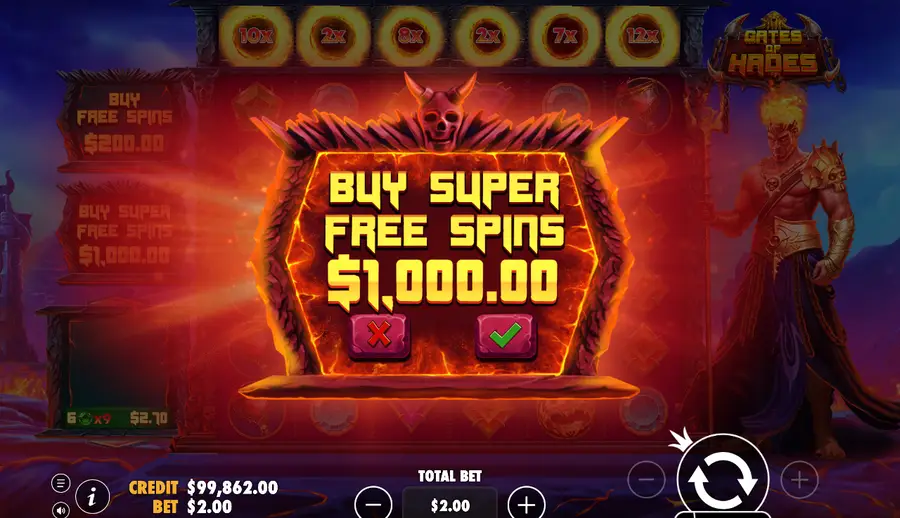
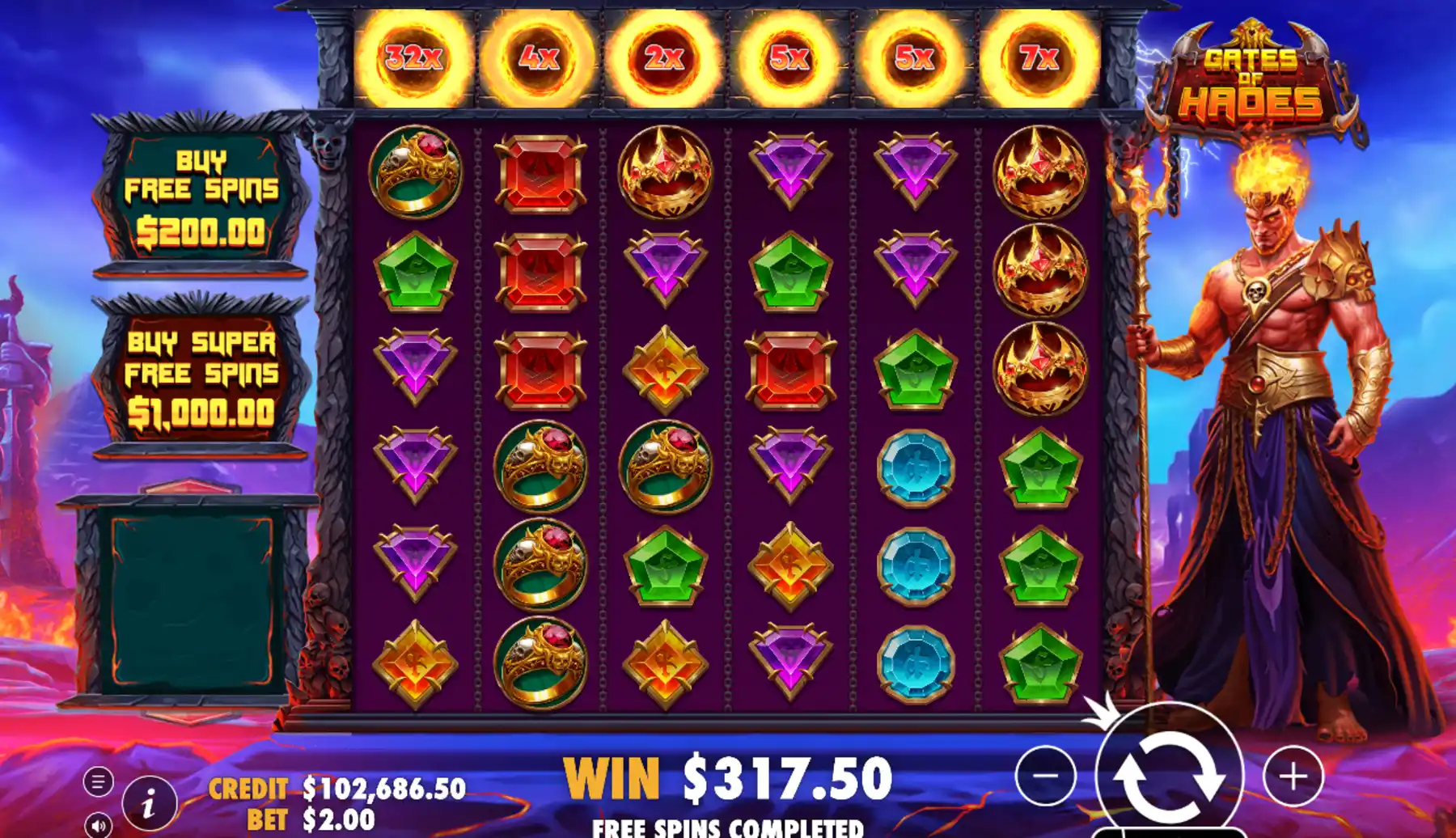
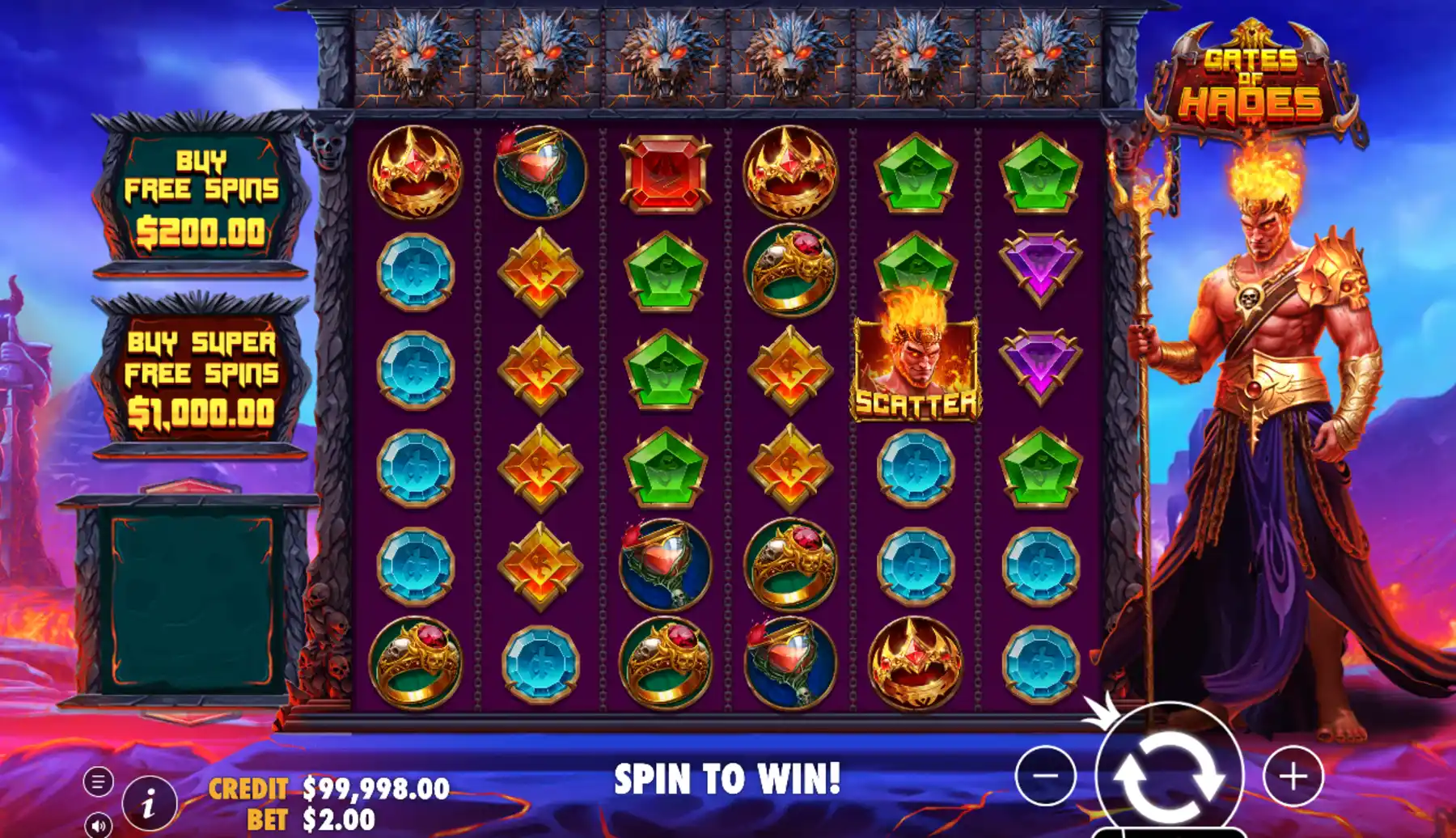
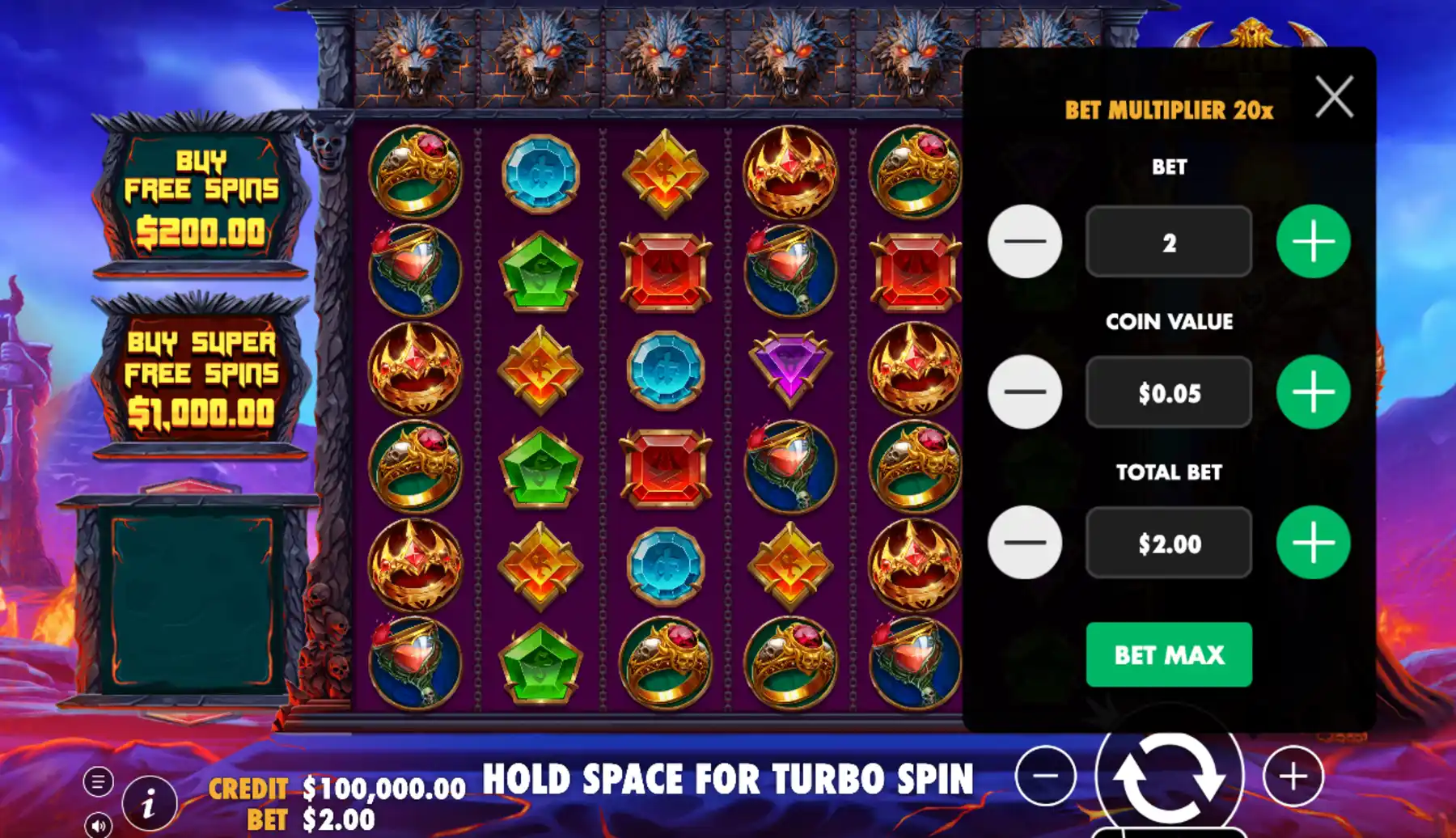
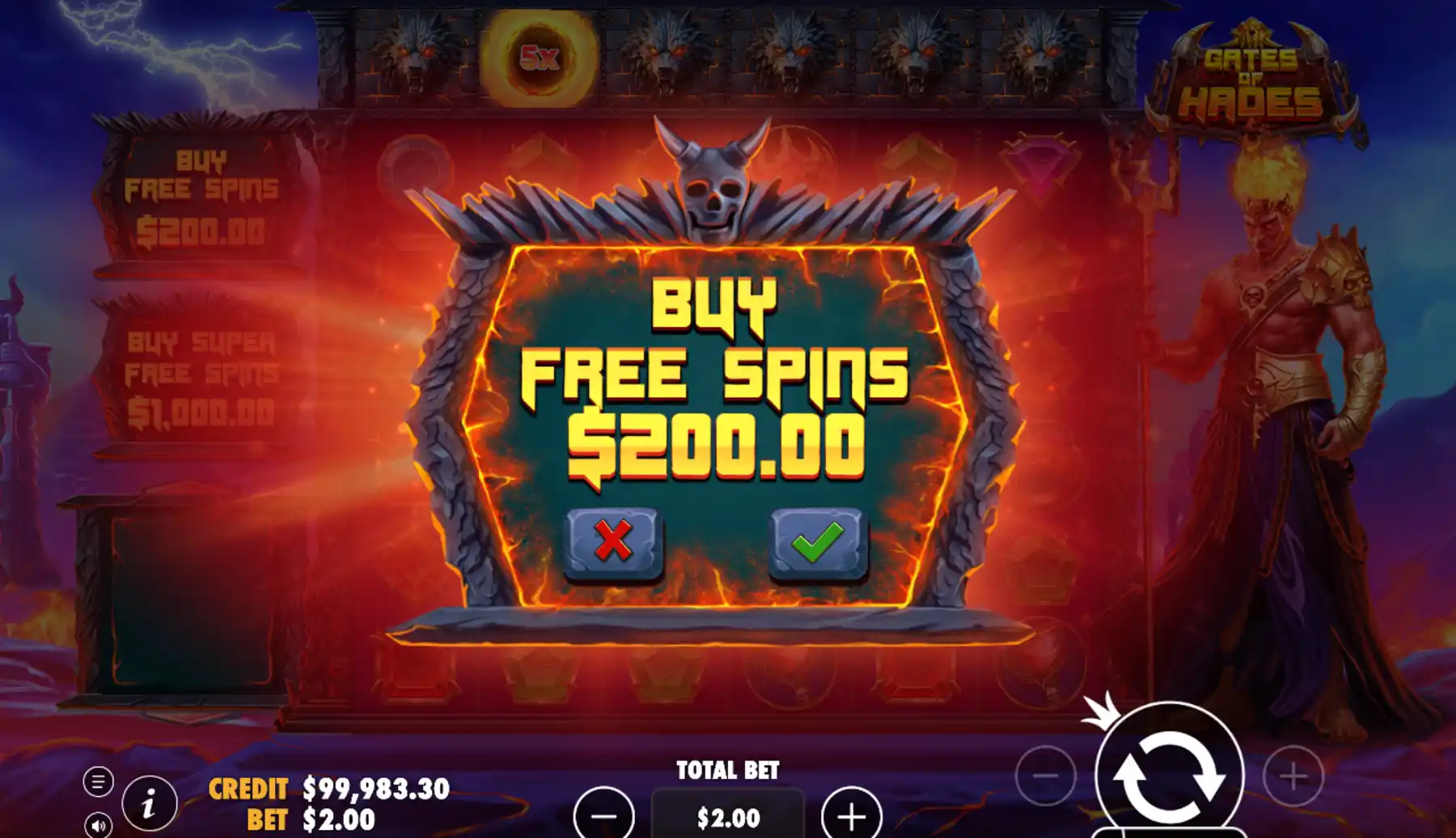
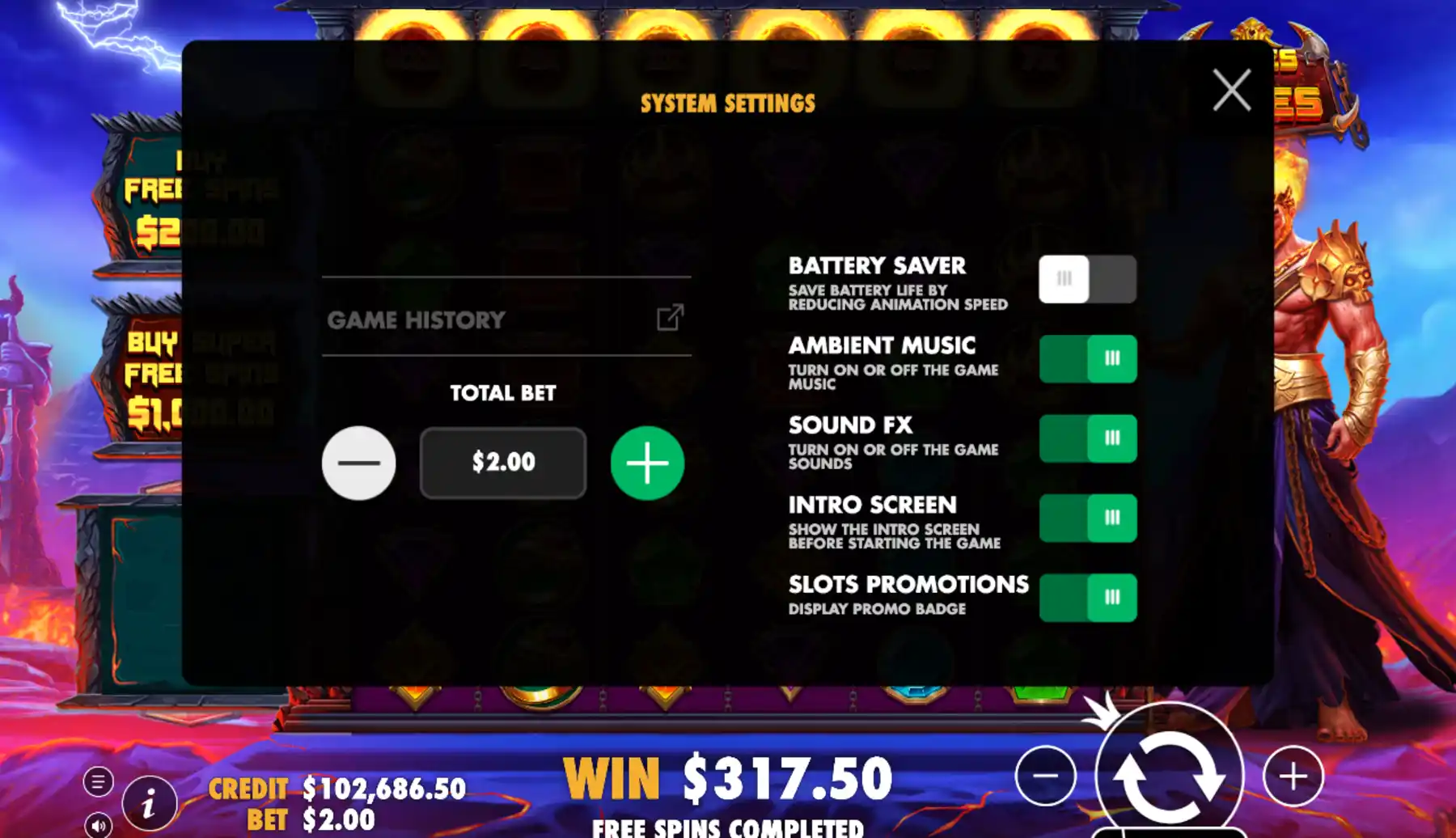
No operator or game studio pays for coverage, reads the text before publication or supplies their own screenshots. They see a finished page at the same moment you see it, and they get no preview of their own. Frames come from the recorded demo session, and the studio has no say over a single caption.
Independence and Corrections on These Pages
Independence on these pages rests on 2 rules. Both are short enough to be held to, and neither one bends. A page is never edited at an operator request, and a correction is accepted only with a source a reader can open for themselves.
If you spot an error, write to the editors; your correction lands on the page and moves its update date, so the history of a fact stays visible for you and for everyone after you. However, where sources disagree, the page prints both figures and says which one the provider stands behind, because an averaged number is a made-up number.
Terms Used Across These Pages
- Return to player
- The share of all stakes a game hands back across millions of rounds, published by the provider as a figure or a range.
- Affiliate link
- An outbound link that pays this site a commission when a reader registers, disclosed beside every sponsored button.
- Licence register
- The public list a regulator keeps, where a licence number can be looked up on the day a page is written.
- Not confirmed
- The wording used whenever no provider page, operator term or regulator entry states the figure a reader asked about.
Player Safety on These Pages
Safety comes first. Player safety outranks every other rule on this site, and nobody in the team breaks it. Every page is written for adults aged 18 or over, and a slot game returns less over time than it collects.
The responsible gambling page lists the limits you can set, the warning signs, the free GAMSTOP self-exclusion scheme, and the National Gambling Helpline, which runs 24 hours a day. GamCare delivers the National Gambling Helpline for England and Scotland, and GambleAware lists it beside the separate NHS Wales line.
Predictor and hack pages stay off Gates of Hades, because a certified generator produces nothing a prediction could latch onto. The privacy policy explains that this service keeps no reader accounts and sets 0 cookies of its own.
Does a Commission Ever Change a Verdict?
No commission has ever moved a verdict here, and the structure makes it awkward to try: operators are never ranked, so there is no running order for money to buy.
A reader who doubts that can test it cheaply. Pick any operator page, read the disclosure beside the button, then compare its wording with the criticism in the same section.
Recap: How These Pages Stay Honest
To recap the promise: these pages publish one game, name their sources, verify regulation by number, and earn money through disclosed affiliate links that move no score. If you want one sentence, the provider document is always the better source. That is the rule. Player safety and the age rule sit above all of it.
The weak spots in the record stay visible as well. No volatility number is published, no laboratory certificate covers the title, and the author identity is provisional, so each of those problems is printed where it belongs. Read how we test it next, then the author profile.
Deposits and identity checks stay on the operator's own secure site.
Related Reading on This Game
More on this game, from the same section first: